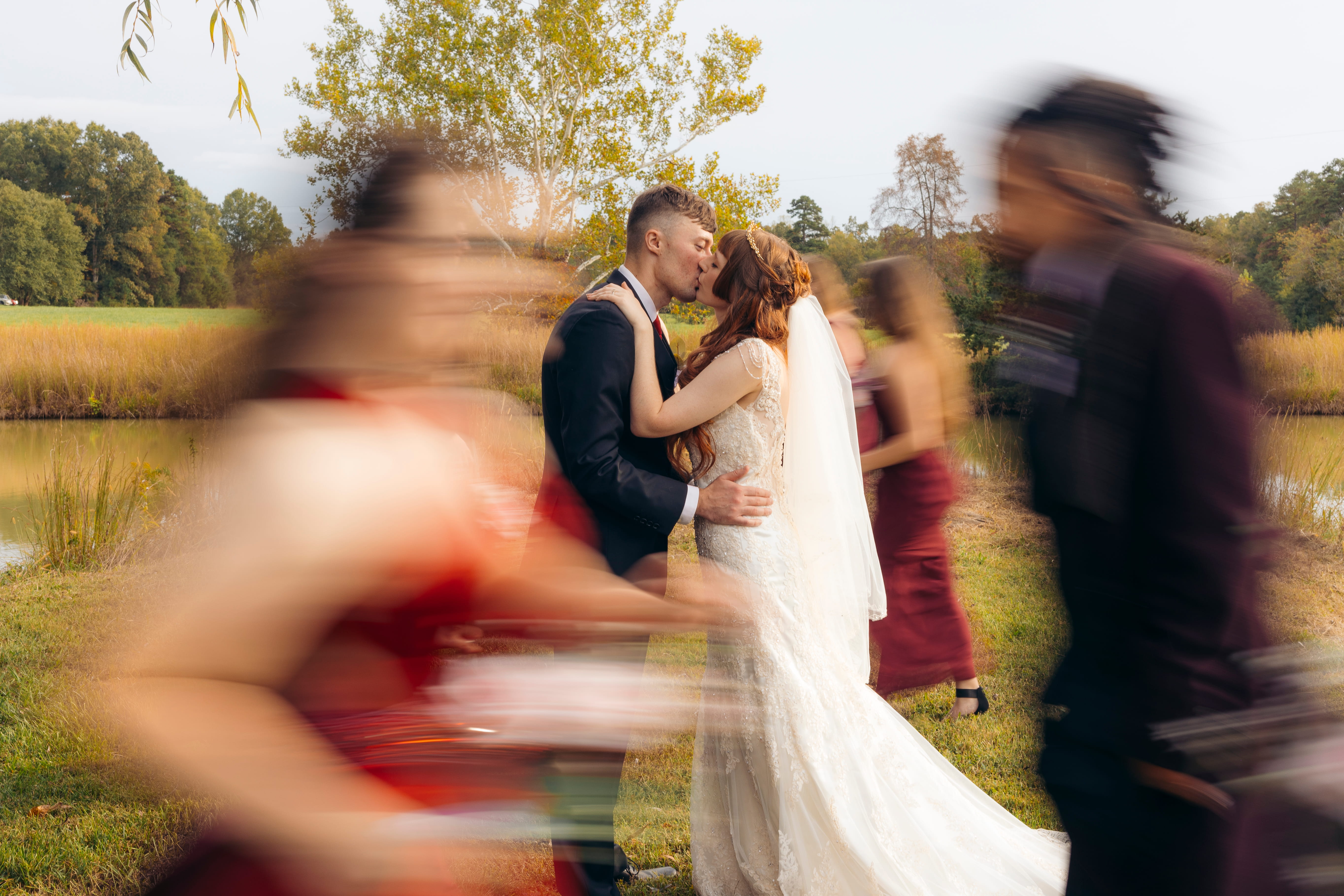
Wedding Films vs Wedding Videos: What’s the Difference (And Which Is Right for You?)
For couples planning a wedding in Charlottesville or the greater DMV area, the phrase “wedding video” can mean very different things depending on who you ask. Understanding the difference between a wedding film and a wedding video is one of the most important decisions you’ll make—not just creatively, but financially.
This guide is written to help you choose intentionally, avoid common regrets, and understand where your money actually makes a difference.
The Simple Difference (In Plain Terms)
A wedding video captures what happened. A wedding film tells you what it felt like.
That’s the core difference—but what does that actually mean in practice?
What a Traditional Wedding Video Usually Is
A traditional wedding video focuses on documentation. Its primary goal is to record events as they happen.
You’ll typically get: • Full ceremony recording • Full speeches • Long, continuous clips • Minimal editing or storytelling
#Think of it like a home video—but cleaner and more professional.
This option works well if: • You want to see everything exactly as it happened • You value length over storytelling • You’re working with a tighter budget This approach works well for couples who value archival footage and want to see events unfold exactly as they happened. Essentially raw footage and should be cheaper, but we will get into the details of that phenomenon a little later
What a Wedding Film Actually Does Differently
A wedding film is built around storytelling. Its crafted, not just recorded. Rather than showing everything, it shows what matters most.
Key elements of a wedding film: • Carefully selected moments • Intentional pacing • Use of vows, speeches, and natural audio • Visual storytelling shaped in the edit
A wedding film doesn’t just show you what your wedding looked like—it reminds you how it felt.
• The way your vows sounded • The reactions during speeches • The quiet, in-between moments • The emotional arc of the day
A typical film includes is Aa 3–7 minute highlight film This is what most couples think they’re getting when they hire a videographer.
Let’s Talk About Cost (Honestly)
In Charlottesville and across the DMV, pricing varies—but there are clear patterns once you understand what you’re actually paying for.
Here’s a realistic breakdown:
Traditional Wedding Video (Documentation-Focused): • Hobbyist / beginner: $500–$1,500 • Entry-level professional: $1,500–$2,500 • Established videographer: $2,500–$3,500
Wedding Film (Story-Driven): • Mid-level filmmaker: $2,500–$4,500 • Experienced filmmaker: $4,500–$8,000+
#This is why you’ll sometimes see a 60-minute wedding video cost less than a 5-minute film—and it’s not a mistake.
How This Difference Affects Cost
Many couples assume longer videos cost more and shorter films cost less. In reality, pricing is influenced by: • Hours of coverage • Audio capture requirements • Editing complexity • Creative authorship
A 5-minute film can require more editorial work than a 45-minute documentary-style video.
Budget-Saving Strategies That Don’t Sacrifice Meaning
If you’re planning a wedding on a budget, consider these options: • Choose a highlight film instead of full-day coverage • Prioritize clean audio over extra cameras • Reduce location changes to save time and cost • Skip trends that don’t add emotional value
Common Regrets We Hear From Couples
• “We had footage, but it didn’t feel like us.” • “I wish we had the vows and the speeches on video” My answer is ask a videographer just for those things if that's what's important and save some money! • “We didn’t realize how important audio was.”
A Note for Photographers and Planners
When couples choose films over documentation, collaboration improves. Timelines breathe. Vendors work together instead of competing for moments.